Buying a Victorian Property: What Your Survey Should Check
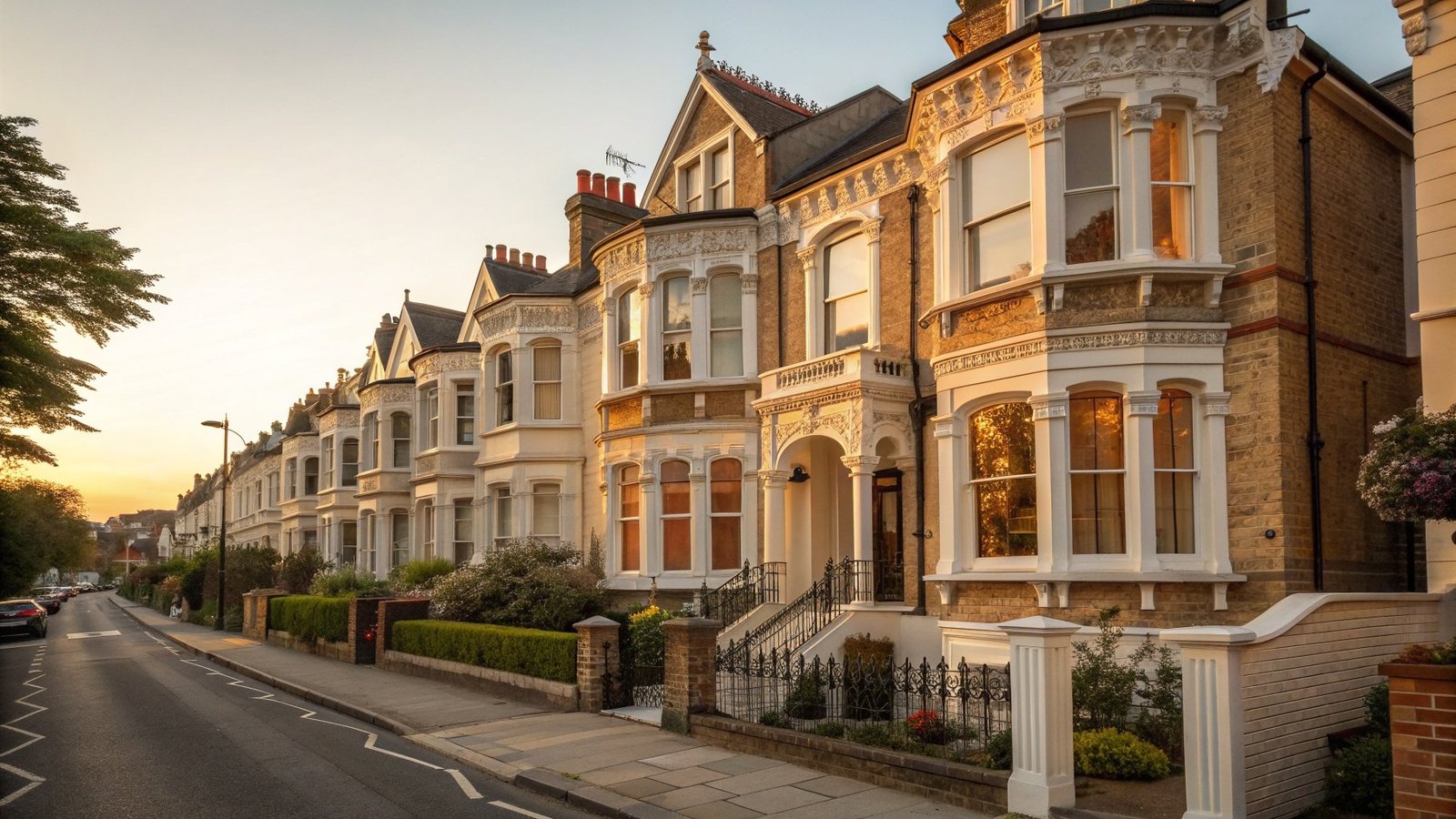
Victorian properties are among the most beautiful and sought-after homes in the UK. Built between 1837 and 1901 during Queen Victoria's reign, these period properties offer character, space, and architectural features you simply can't find in modern builds. However, buying a Victorian house comes with unique challenges that make getting the right house survey absolutely essential.
Why Victorian Properties Need Specialist Surveys
When you're buying a Victorian property, a basic RICS Level 1 survey simply isn't enough. These homes are typically 120-180 years old, and age brings complexity. Victorian houses were built using methods and materials very different from today's construction, and they develop issues that qualified surveyors need specialist knowledge to identify and assess.
Most chartered surveyors recommend a RICS Level 3 building survey (also called a full structural survey) for Victorian properties. This is the most comprehensive survey available and is specifically designed for older homes, properties with visible defects, or unusual construction types – all of which often apply to Victorian houses.
The Reality of Victorian Property Condition
Here's an important truth: virtually every Victorian property has some defects. This doesn't mean you shouldn't buy one – it means you need to understand what you're getting into. A thorough building survey reveals these issues so you can:
- Make an informed decision about whether to proceed with the purchase
- Negotiate the property price based on necessary repairs
- Budget properly for maintenance and improvements
- Prioritize which repairs need urgent attention
- Plan long-term restoration if you're buying a fixer-upper
- Avoid buying a property with catastrophic hidden problems
- Get realistic cost estimates for major works
Common Issues in Victorian Properties
Understanding what surveyors typically find in Victorian homes helps you appreciate why getting a comprehensive survey is so important. These are the most common defects our RICS surveyors encounter:
1. Subsidence and Structural Movement
Victorian houses often show signs of structural movement. This is one of the most serious defects a survey can reveal. Victorian properties typically have shallow foundations – sometimes only 2-3 feet deep compared to modern minimum depths of 1 meter. Combined with clay soils common across much of England, this makes Victorian houses particularly vulnerable to subsidence.
What surveyors check for:
- Stepped cracking in brickwork (particularly around windows and doors)
- Diagonal cracks wider than 3mm
- Internal cracks between walls and ceilings
- Doors and windows that no longer fit their frames properly
- Sloping floors (check with a spirit level)
- Bulging or leaning external walls
- Cracks that appear to be recent and still moving
- Previous underpinning work and its effectiveness
The survey report will assess whether movement is historical (settled and stable) or ongoing (requiring urgent attention). Historical movement is common in Victorian houses and doesn't necessarily affect the property's structural integrity. Ongoing movement, however, can be expensive to fix and may indicate serious foundation problems.
2. Damp Issues
Damp is perhaps the most prevalent issue in Victorian properties. These homes weren't built with damp proof courses, cavity walls, or the waterproofing measures we take for granted in modern construction. There are three types of damp your survey should identify:
Rising Damp: This occurs when ground moisture rises up through the walls via capillary action. Victorian houses with solid brick walls (no cavity) are especially vulnerable. Signs include:
- Tide marks on walls typically up to 1 meter from floor level
- Peeling or bubbling paint and wallpaper at low levels
- Damp, musty smell particularly in rooms at ground floor
- Salt deposits (efflorescence) on wall surfaces
- Decaying skirting boards and architraves
- Moisture meter readings above 20% at low wall levels
Penetrating Damp: This happens when water penetrates from outside through defective walls, roofs, or windows. Victorian properties often have:
- Deteriorated pointing between bricks allowing rain penetration
- Cracked render that channels water into the building
- Defective or missing flashings around chimneys
- Blocked or broken gutters causing overflow
- Original single-glazed sash windows with poor seals
- Porous or damaged brickwork on exposed elevations
Condensation: Modern lifestyles create more moisture than Victorian builders anticipated. Combined with poor ventilation, this causes:
- Mold growth in corners and behind furniture
- Streaming windows (especially in bathrooms and kitchens)
- Musty odors and damp feel to the air
- Damaged wallpaper and decorations
A proper building survey uses moisture meters and thermal imaging to differentiate between these damp types and identify their sources. Treatment costs vary enormously – from simple repointing (£50-100 per square meter) to full damp proof course injection (£3,000-£8,000 for a typical terrace).
3. Roof Problems
Victorian roofs are complex structures featuring slate tiles, lead valleys, ornate ridge tiles, and often multiple chimneys. After 120+ years, roof problems are almost inevitable. Your survey should thoroughly inspect:
- Slate condition – are individual slates slipping, cracked, or missing?
- Lead work around chimneys, valleys, and flashings
- Condition of timber roof structure (look for rot, beetle infestation)
- Chimneys – are they stable, is pointing sound, are pots secure?
- Gutters and downpipes (often original cast iron, prone to rust)
- Roof pitch and any signs of sagging
- Evidence of previous poor-quality repairs
- Insulation levels in the loft space
Roof repairs are expensive. A full re-slate of a Victorian terrace house costs £8,000-£15,000. Major timber repairs add thousands more. Your survey helps you budget realistically or negotiate the purchase price to reflect necessary works.
4. Original Features and Their Issues
The beautiful period features that attract buyers to Victorian properties can also be problem areas. Surveyors need to check:
Original Sash Windows:
- Are they rotten (particularly at the sills)?
- Do sash cords need replacing?
- Is the glazing putty deteriorated?
- Are there gaps causing draughts?
- Have they been painted shut?
- Is restoration possible or is replacement necessary?
Decorative Plasterwork:
- Cracks in ornate cornices and ceiling roses
- Detachment from lath and plaster ceilings
- Previous poor repair work
- Damp damage affecting decorative elements
Original Flooring:
- Condition of suspended timber floors
- Ventilation to underfloor spaces (prevent rot)
- Signs of wood beetle or rot in joists
- Uneven or bouncy floors indicating structural issues
5. Outdated Building Services
Victorian houses have had electrical, heating, and plumbing systems retrofitted over the decades. Your survey should assess:
Electrical Systems:
- Age of the wiring (needs replacing if over 25-30 years old)
- Presence of old-style fuse boxes (need modern consumer units)
- Sufficient sockets for modern living
- Proper earthing and bonding
- Evidence of DIY electrical work (potentially dangerous)
A full rewire of a Victorian terrace costs £3,000-£6,000, while a semi-detached house might cost £4,000-£8,000.
Heating and Plumbing:
- Age and efficiency of the boiler (life expectancy 10-15 years)
- Condition of radiators and pipework
- Water pressure issues
- Lead pipes (should be replaced)
- Bathroom and kitchen plumbing adequacy
6. Previous Alterations and Extensions
Victorian houses have often been modified over their lifespan. Surveyors need to assess whether alterations were done properly:
- Were structural walls removed without adequate support?
- Do extensions have proper foundations?
- Were Building Regulations complied with?
- Is there evidence of building control approval?
- Are loft conversions properly constructed and legal?
- Have chimneys been removed correctly?
- Is there evidence of subsidence from extension construction?
What a RICS Level 3 Survey Includes for Victorian Properties
When you're buying a Victorian house, the comprehensive nature of a RICS Level 3 building survey is crucial. Here's what this survey provides:
Detailed Structural Assessment
Chartered surveyors will spend 4-6 hours conducting a thorough inspection. They examine all accessible areas of the property including:
- External inspection of all elevations
- Roof inspection (from ground level and inside the loft)
- All rooms, including accessing lofts and cellars
- Under-floor spaces where safely accessible
- Outbuildings, garages, and garden structures
- Boundaries, retaining walls, and drainage visible
Comprehensive Written Report
Unlike simpler survey types, the RICS Level 3 survey provides detailed technical information about:
- Construction methods and materials used
- Condition of every major element (walls, roof, floors, services)
- All defects found, rated by severity
- Explanation of causes and likely consequences of defects
- Detailed advice on repairs needed and their urgency
- Rough cost indications for major works
- Recommendations for specialist investigations where needed
- Advice on maintenance and improvement
The report typically runs to 40-60 pages for a Victorian property, with photographs documenting issues found.
Specialist Recommendations
If your survey reveals issues requiring expert opinion, the surveyor will recommend specialist investigations such as:
- Structural engineer reports for serious movement or alterations
- Specialist damp and timber surveys
- Electrical condition reports
- Boiler and heating system inspections
- Chimney specialist assessments
- Drainage surveys (CCTV inspection)
Cost of Surveying a Victorian Property
RICS Level 3 surveys for Victorian properties typically cost:
- Victorian terrace (2-bed): £600-£900
- Victorian terrace (3-4 bed): £800-£1,200
- Victorian semi-detached: £900-£1,400
- Large Victorian detached: £1,200-£2,000+
The survey cost depends on the property's value, size, and complexity. Yes, it's expensive – but compare this to the potential cost of undiscovered defects:
- Underpinning for subsidence: £10,000-£50,000
- Full roof replacement: £8,000-£20,000
- Damp proof course and replastering: £5,000-£15,000
- Rewiring: £4,000-£8,000
- New boiler and heating system: £3,000-£6,000
A £1,000 survey that reveals £30,000 of necessary repairs gives you negotiating power and protects you from financial disaster.
Using Your Survey to Negotiate
Once you receive your building survey for a Victorian property, you have valuable information to negotiate with. Here's how to use it effectively:
Calculate Total Repair Costs
Work through the survey systematically and total up estimated costs for:
- All urgent repairs (red-rated items)
- Important repairs needed within 1-2 years (amber-rated items)
- Recommendations for maintenance and improvement
Prioritize Issues
Not all defects are equal. Focus negotiations on:
- Structural issues (subsidence, serious cracks, roof problems)
- Damp and water ingress
- Dangerous electrical or gas issues
- Major elements near end of life (roof, boiler, windows)
Negotiation Strategies
You have several options:
- Price reduction: Ask for a reduction reflecting repair costs
- Completion of works: Request seller fixes issues before sale
- Retention: Keep money in escrow until repairs completed
- Walk away: If defects are too serious or expensive
Most sellers of Victorian properties expect some negotiation after surveys. The survey gives you objective evidence to support your case.
Living with a Victorian Property
Once you've bought your Victorian house, understanding how to maintain it prevents problems developing:
Regular Maintenance Tasks
- Annual roof inspection (check for slipped slates, blocked gutters)
- Clear gutters and downpipes twice yearly (autumn and spring)
- Repoint brickwork as needed (every 50-70 years typically)
- Maintain paint finishes on woodwork (prevents rot)
- Service boiler annually
- Check for signs of damp regularly
- Ensure adequate ventilation (prevent condensation)
- Inspect and maintain sash windows
Understanding Your Property
Victorian houses were built to breathe. Modern "improvements" like cement render, plastic windows, or impermeable paints can trap moisture and cause problems. When renovating:
- Use breathable lime mortars rather than cement
- Consider secondary glazing rather than replacement windows
- Use traditional materials and methods where possible
- Maintain adequate ventilation
- Research before making changes (especially to listed buildings)
Questions to Ask Your Surveyor
Before commissioning your survey of a Victorian property, ask these questions:
- Do you have specific experience surveying Victorian properties?
- Will you access the loft, cellar, and all rooms?
- Do you use specialist equipment (moisture meters, thermal imaging)?
- How detailed will the report be regarding period features?
- Can you provide rough cost estimates for repairs?
- Will you recommend specialist reports if needed?
- Can I contact you after receiving the report with questions?
- How long until I receive the survey report?
At I House Survey, our qualified surveyors have extensive experience with Victorian and other period properties across the UK. We understand the unique challenges these beautiful homes present and provide detailed, practical advice.
Conservation and Listed Building Considerations
Many Victorian properties are listed buildings or in conservation areas, adding another layer of complexity:
Listed Building Implications
If the property is listed:
- You'll need Listed Building Consent for most alterations
- Repairs must use appropriate traditional materials
- Some modern improvements (like double glazing) may not be permitted
- Grant funding might be available for repairs
- Insurance can be more expensive
- Maintenance standards are higher
Your surveyor should identify if the property is listed and advise on the implications. This affects not just what you can change, but also how you must maintain the building.
The Bottom Line on Victorian Property Surveys
Buying a Victorian property without a comprehensive RICS Level 3 building survey is a huge risk. These characterful homes have beauty and space that modern properties can't match, but they also have unique issues that need professional assessment.
A thorough survey reveals exactly what you're buying – the good, the bad, and the expensive. Armed with this information, you can:
- Make an informed decision about proceeding
- Negotiate a fair price that reflects the property's true condition
- Budget realistically for immediate and future repairs
- Plan renovation work systematically
- Avoid buying a property with catastrophic hidden problems
Yes, the survey costs £800-£1,500. But when you're buying a 150-year-old property that might need tens of thousands spent on it, that survey is the best money you'll spend in the entire buying process.
Ready to Survey Your Victorian Property?
Our RICS accredited chartered surveyors specialize in period properties. We provide comprehensive RICS Level 3 building surveys that give you complete clarity about the condition of Victorian and other older homes. Get detailed, practical advice you can act on.