Roof Problems in Property Surveys: What to Watch For
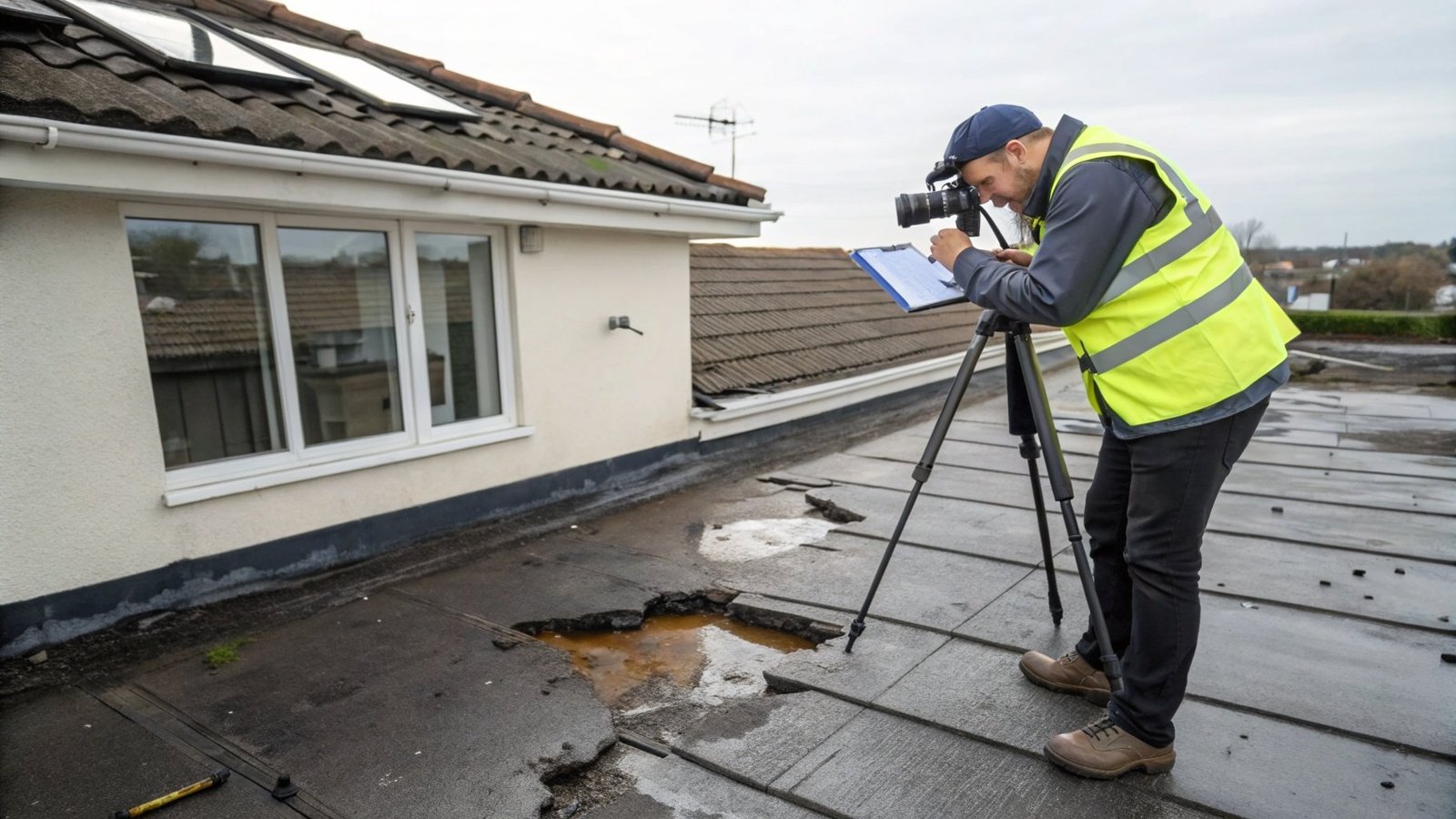
Your roof is your property's first line of defense against the weather. It's also one of the most expensive elements to repair or replace. Roof problems are among the most common and costly defects found in house surveys. This comprehensive guide explains what qualified surveyors check, common roof defects, repair costs, and how to interpret roof-related findings in your survey report.
Why Roofs Are Critical in Surveys
Roof repairs are expensive. A complete re-roof can cost £5,000-15,000 for a typical house, and £15,000-30,000+ for larger properties. Even minor roof repairs often run into thousands. That's why chartered surveyors pay particular attention to roof condition during surveys.
Consider Mark's experience. He bought a Victorian terrace based on a basic survey that noted the roof "appeared serviceable from ground level inspection." Within two years, he discovered multiple slipped slates, rotting timbers, and lead work failures. The repair bill exceeded £12,000. A comprehensive RICS Level 3 survey with detailed roof inspection would have identified these problems before purchase.
How Surveyors Inspect Roofs
Professional roof inspection involves multiple approaches:
External Inspection from Ground Level
- Using binoculars for detailed viewing
- Walking around property to view all roof slopes
- Checking condition of tiles, slates, and ridges
- Examining chimneys and their condition
- Assessing gutters and downpipes
- Looking for obvious defects like missing tiles or sagging
Internal Inspection from Loft Space
- Accessing loft to inspect roof structure from inside
- Examining rafters, purlins, and other structural timbers
- Looking for daylight through roof covering (indicating holes)
- Checking for water staining indicating leaks
- Assessing insulation levels
- Looking for condensation, rot, or beetle attack
- Examining underside of roof covering
Drone Inspection (Where Available)
Some surveyors use drones for detailed roof inspection:
- Close-up photographs of all roof areas
- Inspection of valleys, ridges, and difficult areas
- Assessment without physical roof access
- Particularly useful for tall or complex roofs
What Surveyors Cannot Do
Most surveyors won't:
- Walk on roofs (safety risk and potential damage)
- Remove tiles to inspect underneath
- Access roofs with unsafe or steep pitches
- Guarantee hidden defects aren't present
Surveys are non-invasive. If concerns arise, surveyors recommend specialist roofing contractor inspections.
Common Roof Problems by Type
Pitched Roofs with Slates
Slate is durable (100+ year lifespan) but develops specific problems:
Common Issues:
- Nail sickness: Original fixing nails corrode, slates slip or fall (major issue)
- Delamination: Slates splitting along layers (indicates failure)
- Cracked slates: From foot traffic, impacts, or frost damage
- Missing slates: Fallen due to nail failure or storm damage
- Inappropriate repairs: Using incorrect slate types or sizes
Repair Costs:
- Individual slate replacement: £50-150 per slate
- Re-nailing small area: £1,000-3,000
- Complete re-slate: £80-150 per square meter (total £8,000-18,000 typical house)
Surveyor's Assessment:
- Age of slates and remaining lifespan
- Percentage of slates damaged or slipped
- Whether repairs viable or complete replacement needed
- Type of slate (Welsh, Spanish, Chinese – quality varies)
Pitched Roofs with Tiles
Clay or concrete tiles are common, each with characteristic issues:
Clay Tiles:
- Frost damage: Tiles crack and spall (surface breaks away)
- Fixing failure: Nibs break or nails corrode
- Missing tiles: Blown off in storms
- Broken tiles: From foot traffic or falling debris
- Lifespan: 50-100 years typically
Concrete Tiles:
- Weathering and fading: Surface deterioration
- Manufacturing defects: Some 1970s-80s tiles have premature failure
- Weight issues: Heavier than slates, can stress structures
- Moss and lichen growth: Holds moisture, can damage tiles
- Lifespan: 40-60 years typically
Repair Costs:
- Individual tile replacement: £40-100 per tile
- Partial re-tiling: £1,500-5,000
- Complete re-tile: £60-100 per square meter (£6,000-12,000 typical house)
Flat Roofs
Flat roofs have shorter lifespans and specific vulnerabilities:
Felt Roofs (Traditional):
- Splits and cracks: From weathering and movement
- Pooling water: Inadequate falls causing ponding
- Blistering: Air or water trapped under felt
- Loss of surface chippings: Leaving felt exposed to UV
- Lifespan: 10-20 years
- Replacement cost: £40-60 per square meter
Single-Ply Membrane (Modern):
- Seam failures: Joins coming apart
- Punctures: From foot traffic or debris
- Wind uplift: If not properly secured
- Lifespan: 20-35 years
- Replacement cost: £50-80 per square meter
GRP/Fiberglass:
- Cracking: From structural movement
- Delamination: Layers separating
- Edge seal failures: Water ingress at edges
- Lifespan: 20-30 years
- Replacement cost: £60-100 per square meter
Green Roofs:
- Waterproofing failures: Hidden under vegetation
- Drainage issues: Blocked outlets
- Excessive weight: When saturated
- Root penetration: Damaging membranes
Roof Structure Problems
Sagging or Deflection
Visible sag in roof line indicates structural issues:
- Causes: Undersized timbers, rot, beetle attack, excessive load
- Signs: Wavy or dipped ridge line, uneven roof slopes
- Seriousness: Can be major structural problem
- Repairs: £2,000-12,000 depending on extent
Roof Spread
Rafters push outward on walls causing bulging:
- Causes: Missing or failed ties, inadequate support
- Signs: Bulging at top of walls, cracks, displaced ridge
- Repairs: Install ties and restraints (£3,000-8,000)
Rafter or Purlin Failure
- Cracked or broken timbers: From overload or decay
- Inadequate support: Purlins not properly bearing on walls
- Notching damage: Excessive cuts weakening timbers
- Repairs: Strengthen or replace affected timbers (£1,000-6,000)
Timber Decay
Wet rot or dry rot in roof timbers is serious:
- Wet rot: From persistent leaks, soft spongy timber
- Dry rot: Can spread through roof structure
- Woodworm: Beetle larvae damaging timber
- Treatment: £2,000-10,000+ depending on extent
Lead Work and Flashings
Lead valleys, flashings, and details are vulnerable areas:
Common Lead Problems
- Splits and cracks: From thermal movement and age
- Nail sickness: Fixing nails corrode through lead
- Stolen lead: Theft of lead roofing (insurance issue)
- Poor installation: Insufficient overlaps or inadequate fixing
- Fatigue cracking: Lead work past its lifespan
Flashing Failures
- Mortar pointing deterioration: Around lead flashings
- Separation from walls: Flashings pulling away
- Inadequate upstands: Not rising high enough up walls
- Missing flashings: Never installed or fallen off
Repair Costs:
- Small lead patch: £150-400
- Valley replacement: £800-2,000 per valley
- Chimney flashing renewal: £500-1,500
- Complete lead work renewal: £3,000-8,000
Chimney Problems
Chimneys are prominent roof features with specific issues:
Structural Issues
- Leaning: Chimney stack out of plumb
- Separation from main wall: Cracks between chimney and building
- Masonry deterioration: Bricks and mortar breaking down
- Cracked render: On rendered chimneys
Chimney Cap and Pot Issues
- Loose or missing pots: Dangerous in high winds
- Cracked pots: Allow water ingress
- Deteriorated flaunching: Mortar around pots breaking away
- Missing caps: Rain enters unused chimneys
Chimney Breast and Lining
- Staining from leaks: Water damage visible inside
- Missing or damaged lining: In active chimneys
- Condensation issues: In unused chimneys
- Removed chimneys: Breast removed without proper support
Repair Costs:
- Repointing chimney: £400-1,200
- Replace pots and flaunching: £300-800
- Chimney rebuild above roof line: £1,500-4,000
- Complete chimney rebuild: £3,000-8,000
Gutters and Drainage
Roof drainage is critical for preventing water damage:
Gutter Problems
- Blockages: Leaves, moss, debris preventing flow
- Leaking joints: Sections coming apart
- Sagging gutters: Inadequate support or overload
- Corrosion: Cast iron gutters rusting through
- Cracked plastic: UV damage in old plastic systems
- Incorrect falls: Water pooling instead of flowing
Downpipe Issues
- Blockages: Preventing water discharge
- Leaking joints: Water escaping onto walls
- Missing sections: Water discharging at wrong levels
- Inadequate number: Too few downpipes for roof area
- Disconnected from drains: Water soaking foundations
Consequences of Poor Drainage:
- Damp penetration into walls
- Foundation undermining
- Fascia and soffit rot
- Internal water damage
- Mold growth
Repair Costs:
- Gutter clearing: £100-250
- Gutter repair: £150-500
- Gutter replacement: £25-50 per meter (£600-2,000 typical house)
- Cast iron to plastic conversion: £40-70 per meter
Roof Insulation
While not a "problem," inadequate insulation affects comfort and costs:
Current Standards
- Building regulations require: 270mm loft insulation
- Older properties often have: 50-100mm or none
- Energy loss: 25% of heat escapes through uninsulated roofs
Surveyor Assessment
- Current insulation thickness
- Type and condition
- Coverage (gaps reduce effectiveness)
- Recommendations for upgrading
- Cost to upgrade (typically £300-800)
Interpreting Your Survey Report's Roof Findings
Traffic Light Ratings
RICS surveys use color coding:
- Green (1): No issues, normal maintenance only
- Amber (2): Repairs needed but not urgent, budget for them
- Red (3): Serious issues needing urgent attention
Common Survey Report Phrases and What They Mean
"Roof covering appears serviceable from ground level inspection":
- Surveyor couldn't inspect closely
- No obvious major problems visible
- Doesn't guarantee roof is sound
- May recommend specialist inspection
"Roof covering past mid-life, budget for replacement within 5-10 years":
- Roof aging but not failed
- Start saving for eventual replacement
- Factor £8,000-15,000 into long-term budget
"Several slipped/missing slates noted, repairs required":
- Active problem needing attention
- May worsen quickly
- Budget £1,000-3,000 for repairs
- Could indicate wider nail sickness issue
"Significant defects in roof structure, structural engineer recommended":
- Serious concern
- Need specialist assessment before proceeding
- Potentially expensive repairs (£5,000+)
- May affect mortgage availability
When to Walk Away
Some roof problems are so serious you should reconsider purchasing:
- Complete roof replacement needed: Unless price reflects this (£8,000-20,000 cost)
- Major structural defects: Sagging, spread, failed timbers (£5,000-15,000+)
- Widespread decay: Extensive rot or beetle damage
- Asbestos roof coverings: Removal costly and regulated (£3,000-10,000)
- Listed building with failing historic roof: Repair costs astronomical
Before walking away, get quotes for repairs and try to negotiate. But if costs exceed what you can afford or the property isn't worth investing in, it's better to lose survey costs than buy a money pit.
Negotiating Based on Roof Problems
When surveys reveal roof defects:
Strategy Options
- Request price reduction: Based on repair quotes (realistic quotes from contractors)
- Ask seller to repair: Complete work before completion
- Request retention: Money held in escrow until repairs done
- Accept and budget: If defects minor and price fair
Getting Quotes
- Commission 2-3 roofing contractors to quote
- Provide them with survey report
- Get detailed breakdowns
- Use quotes in negotiations
- Expect sellers to negotiate – roof issues are common
Maintenance Advice
Once you own the property:
Regular Maintenance Tasks
- Clear gutters twice yearly (spring and autumn)
- Inspect roof after storms for damage
- Check for slipped or missing tiles/slates annually
- Keep valleys clear of debris
- Trim overhanging trees
- Remove moss (causes water retention)
- Check flashings annually
- Inspect chimney condition
When to Call Professionals
- Visible leaks or water stains inside
- Missing or damaged roof coverings
- Sagging or movement visible
- After severe storms
- Before selling (address issues proactively)
Insurance Considerations
Roof condition affects insurance:
- Insurers may refuse cover for very old roofs
- Flat roofs over certain age may not be covered
- Known defects must be disclosed
- Failure to maintain may invalidate claims
- Some insurers require regular professional inspections
Check insurance availability before buying properties with significant roof issues.
Get Expert Roof Assessment
Our RICS qualified surveyors provide detailed roof inspections as part of comprehensive home surveys. We identify all roof defects, assess severity, and provide practical advice on repairs and costs. Don't buy blind – get a professional survey that covers your most expensive element.